Traffic Accident Overview
📅 2026 Update: Recent Changes in US Car Accident Law
Since the original article was written, several important changes have occurred in US car accident law and safety regulations. These updates affect how drivers handle accidents, insurance claims, and safety requirements. The earlier article continues further down the page, providing essential information for those involved in car accidents.
🚗 New Safety Ratings and Standards
On November 18, 2024, the National Highway Traffic Safety Administration (NHTSA) updated its 5-Star Safety Ratings program. The new ratings include advanced driver assistance technologies and a pedestrian protection program. This change aims to help consumers make informed choices about vehicle safety.
🚨 Seat Belt Warnings
Starting December 16, 2024, NHTSA will require new seat belt warnings for rear seats. Enhanced warnings for the driver and front passenger seats will also be implemented. This initiative aims to increase seat belt use and improve safety for all vehicle occupants.
🛑 Automatic Emergency Braking
A new Federal Motor Vehicle Safety Standard (FMVSS No. 127) was finalized on April 29, 2024, making automatic emergency braking standard on all passenger cars and light trucks by September 2029. This technology aims to save lives and prevent injuries in accidents.
🏖️ Florida's Insurance Change
Effective July 1, 2026, Florida will shift from a no-fault insurance system to a bodily injury liability coverage system. This change will replace mandatory personal injury protection (PIP) with bodily injury liability coverage, impacting how drivers manage insurance after accidents.
📌 Key Points Summary
- 🚗 New safety ratings include advanced driver assistance technologies.
- 🚨 Seat belt warnings for rear seats will be mandatory.
- 🛑 Automatic emergency braking becomes standard in new vehicles by 2029.
- 🏖️ Florida transitions to bodily injury liability coverage in July 2026.
💡 Tips for Navigating Car Accidents
Review the details of your individual situation with your attorney.
📋 Understand Post-Accident Procedures
After an accident, drivers must stop and exchange information. Failing to do so can lead to serious penalties, including fines or jail time.
🕵️♂️ Collect Evidence in Hit-and-Run Cases
In hit-and-run incidents, gather as much evidence as possible. This includes taking photos of the scene and documenting any witness information.
⏳ Know Insurance Claim Processing Times
Most insurance companies must acknowledge a claim within 15 to 30 days. However, the entire process can take from a few weeks to several months, depending on the complexity of the case.
📑 Be Aware of Filing Deadlines
Most personal injury claims must be filed within two to three years, depending on the state. Missing this deadline can result in losing the right to file a claim.
🆘 Explore Victim Assistance Programs
Victims of hit-and-run accidents can access assistance through their own insurance policies. Many states also offer victim compensation programs to help individuals affected by car accidents.
🏆 Top Services Ranked by User Reviews (2026)
This section highlights services relevant to car accidents, including vehicle history reports and related assistance. The order follows Trustpilot data as of October 2026. Ratings can change, and star ratings are just one indicator, as unhappy customers tend to post more reviews.
🥇 1. EpicVIN Vehicle History Reports
EpicVIN holds a Trustpilot score of 4.1. The service is known for providing detailed vehicle history reports that help buyers make informed decisions. However, users should note that EpicVIN operates on a subscription-based model, which may not suit everyone.
🆓 Free Government Assistance
For victims of car accidents, various states offer victim compensation programs and legal aid services. These resources can provide crucial support for individuals navigating the aftermath of a car accident.
🔎 What to Compare When Choosing Services
- 📝 Look for user ratings and reviews.
- 📊 Check for service offerings that match your needs.
- 💬 Assess customer support options available.
- 💰 Consider pricing structures and any hidden fees.
❓ Frequently Asked Questions
🚗 What should I do immediately after an accident?
Stop your vehicle and check for injuries. Exchange information with the other driver and document the damage.
🏥 What if I’m injured in a hit-and-run accident?
File a police report and notify your insurance company promptly. You may be eligible for coverage through uninsured motorist policies.
📅 How long do I have to file a personal injury claim?
Most states require personal injury claims to be filed within two to three years after the accident. Check your state’s specific deadline.
📞 How can I get assistance after a car accident?
Victims can seek help through their insurance policies or state-specific victim compensation programs designed to assist individuals involved in car accidents.
🛡️ What is the impact of Florida's insurance law change?
Florida's shift to bodily injury liability coverage means drivers will have different insurance responsibilities. This change affects how claims are handled after accidents.
🚦 How can I improve my chances of avoiding accidents?
Adhering to traffic laws, avoiding distractions, and wearing seat belts can help reduce the risk of accidents.
⚖️ Recent Court Cases and Updates
Recent court rulings relate to car accident laws and liability issues. These cases can influence how similar cases are handled in the future.
- Florida court reverses judgment in motor vehicle negligence caseDistrict Court of Appeal of Florida · June 19, 2026
- Georgia Court of Appeals rules on car accident case dismissalCourt of Appeals of Georgia · June 22, 2026
- Court rules on liability in e-scooter and taxi collision caseAppellate Division of the Supreme Court of the State of New York · June 25, 2026
- Georgia court affirms judgment in traffic accident caseCourt of Appeals of Georgia · June 26, 2026
For more recent rulings, feel free to check more rulings on the news page.
End of October 2026 Update
What is a Traffic Accident?
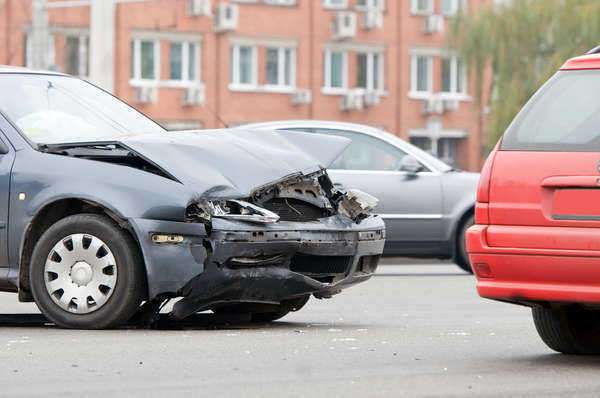
A Traffic Accidentis classified as a roadway accident that takes place as a result of a collision taking place between one or more vehicles; a Traffic Accident is not limited to accidents involving other motor vehicles; many cases exist in which a Traffic Accident may involve a cyclist or a pedestrian.Furthermore, the range of parties involved within a Traffic Accident may include the operator(s) of the motor vehicle, passengers, or bystanders.
Traffic Accident Terminology
A Fatal Traffic Accident is a type of accident or mishap that results in the death of one or more people involved in the vehicular accident in question; recent studies show that within the United States, the rate of fatal deaths exceeds 40,000 annually – with regard to a FatalTraffic Accident, the following classifications and terminology may exist:
Involuntary Manslaughter
Involuntary Manslaughter results in the premature termination of the life of one individual at the hands of another individual – or individuals; an Auto Accident that results in the untimely death of an individual can be classified by the lack of intent within the event of death suffered by the victim – in accordance to the individual convicted of an involuntary manslaughter charge resulting from an Auto Accident, this charge retains the least amount of culpability with regard to any manslaughter or murder charge as a result of the accidental or non-deliberate nature of the crime:
Both murder and Involuntary Manslaughter include the premature termination of a life within the setting of an auto accident, the notion of intent is the primary differentiation between the two crimes in question
In contrast, murder retains the inclusion of malice of forethought or intent; involuntary manslaughter occurs unknowingly, accidentally, and without premeditation – this is typically the ideology undertaken with regard to the prosecution of a fata auto accident
Auto Accident Liability
Due to the fact that a fatal auto accident ends in the termination of a life, the duration of time prior to death can vary between sudden death and eventual death. The determination employed within claims involving fatal accidents reveals itself in cases where conditions, injuries, and damages resulting from the accident in question must be proven to be contributory to an individual’s death. The following is an example of the contrast between these two types of fatal accident:
In the event of an auto accident, one or more operators may die upon impact. The assessment of the fatal auto accident claim may reveal that the injuries suffered by an individual as a result of the auto accident were directly responsible for the fatality
In the event of another type of auto accident, the injuries sustained by an individual may lead to their respective and eventual death; in this case, injuries sustained by individuals involved may be considered to be directly – or indirectly - contributory to the death of the fatality suffered as a result of an auto accident
In the construction of a defense with regard to an auto accident, parties involved may be asked to provide the nature of the details applicable