Vehicle Accident
📅 2026 Update: Changes in Vehicle Accident Law and Safety Measures
Since the original article was published, there have been important updates in vehicle accident law and safety technology. These changes aim to improve safety and streamline processes for those involved in accidents. You can find more details about what to do after a crash further down the page.
🚗 New Safety Ratings and Features
On November 18, 2024, the National Highway Traffic Safety Administration (NHTSA) updated its 5-Star Safety Ratings program. This update includes new advanced driver assistance technologies. It also features a crashworthiness pedestrian protection program.
These changes aim to enhance vehicle safety for all road users.
🛡️ Seat Belt Warnings
New rules were put in place on December 16, 2024. These rules require seat belt use warnings for rear seats and stronger warnings for drivers and front passengers. NHTSA believes these measures will increase seat belt use and improve occupant safety.
🚦 Automatic Emergency Braking
A new Federal Motor Vehicle Safety Standard (FMVSS No. 127) was finalized on April 29, 2024. This standard makes automatic emergency braking, including for pedestrians, mandatory in all passenger cars and light trucks by September 2029.
This technology aims to save lives and prevent injuries.
🌴 Florida's Insurance Change
Starting July 1, 2026, Florida will change its auto insurance system. The state will move from a no-fault system to a bodily injury liability coverage system. This means that personal injury protection (PIP) will no longer be required.
📌 Key Points to Remember
- 🚗 New 5-Star Safety Ratings include advanced safety tech.
- 🛡️ Seat belt warnings are now mandatory for all seats.
- 🚦 Automatic emergency braking will be standard by 2029.
- 🌴 Florida's insurance system changes in July 2026.
- 📅 Stay informed about deadlines for personal injury claims.
💡 Tips for Dealing with Vehicle Accidents
Review the details of your situation with your attorney to understand your options.
🚨 Collect Evidence Immediately
After an accident, gather as much evidence as possible. Take photos of the vehicles, the scene, and any visible injuries. This documentation can be crucial for insurance claims.
📋 File a Police Report
Always report the accident to the police, especially in hit-and-run cases. A police report can serve as official documentation and may be needed for your insurance claim.
📞 Notify Your Insurance Company
Inform your insurance provider right away after an accident. Most companies must acknowledge a claim within 15 to 30 days of filing.
⏳ Know Your Time Limits
Be aware of the deadlines for filing personal injury claims in your state. Most states require claims to be filed within two to three years after the accident.
🆓 Understand Your Coverage
Make sure you have uninsured motorist bodily injury (UMBI) coverage if you live in one of the over 20 states that require it. This coverage can help pay for medical expenses if the at-fault driver cannot be identified.
📌 Seek Local Resources
Check for state-specific resources that may assist you, such as victim compensation programs or legal aid services. These can provide crucial support in the aftermath of an accident.
🏆 Vehicle Accident Services Ranked by User Reviews (2026)
This section reviews services related to vehicle accidents, focusing on what they offer and how they can assist in legal and insurance matters. The rankings are based on Trustpilot data from October 2026. Scores can change over time, and star ratings may reflect a higher number of unhappy reviews.
🥇 1. EpicVIN Vehicle History Reports
EpicVIN has been rated 4.1 on Trustpilot. This service is known for providing detailed vehicle history reports that contain crucial information about a vehicle's past. Users appreciate the thoroughness of the reports, which can be valuable when assessing a vehicle's condition or in the aftermath of an accident.
However, potential users should note that EpicVIN operates on a subscription-based model.
🆓 Free Government Assistance
Victims of hit-and-run accidents can seek assistance through their own insurance policies, including uninsured motorist coverage and personal injury protection (PIP). Additionally, many states provide victim compensation programs and legal aid services that can help individuals involved in car accidents.
🔎 Things to Compare When Choosing Services
- 📊 Trustpilot scores and review counts.
- 📝 Types of reports or services offered.
- 💰 Cost structure and any subscription models.
- 🕒 Processing times for claims or reports.
- 📍 Availability of local assistance or resources.
❓ Frequently Asked Questions
🛑 What should I do immediately after an accident?
Immediately after an accident, ensure everyone's safety first. Then, collect information from all parties and witnesses, and document the scene.
📞 How soon should I notify my insurance company after an accident?
It's best to notify your insurance company as soon as possible. Most companies must acknowledge a claim within 15 to 30 days of filing.
⏰ What deadlines should I be aware of for personal injury claims?
Most personal injury claims have a filing deadline of two to three years, depending on the state. Check local laws for specific timelines.
🚦 What should I do if I’m involved in a hit-and-run?
If you are a victim of a hit-and-run, gather any available evidence, file a police report, and notify your insurance company promptly.
🌍 Are there resources for car accident victims in my state?
Many states offer victim compensation programs and legal aid services to assist individuals involved in car accidents. Check local resources for assistance.
👨⚖️ How do state laws affect my accident case?
State laws can influence various aspects of accident cases, including insurance requirements, fault determination, and filing deadlines. Understanding your state's laws is essential for managing your case.
⚖️ Recent Cases Impacting Vehicle Accidents
Recent court rulings have shaped the landscape of vehicle accident law, addressing issues like fault determination and insurance claims. These decisions influence how victims seek compensation and navigate their cases.
- Iowa Court Reduces Restitution for DUI Crash to $62Court of Appeals of Iowa · October 7, 2026
- Iowa Court Upholds Sentence for Driver Who Injured ChildrenCourt of Appeals of Iowa · October 7, 2026
- Court affirms ruling in motor vehicle accident settlement caseTexas Court of Appeals, 2nd District (Fort Worth) · October 8, 2026
- Idaho Supreme Court upholds ruling in livestock collision caseIdaho Supreme Court · October 13, 2026
For further insights, you can check more rulings on the news page.
End of October 2026 Update
What is a Vehicle Accident?
A Vehicle Accident can be defined as a type of classification of a specified accident or mishap taking place through the usage or operation of a motor vehicle; due to the wide range of options including vehicular transport - as well as the growing intricacies, revamped legislation, and development of national traffic patterns - the respective nature and inherent details within the classification of a Vehicle Accident is expansive. The following terminology is common with in a Vehicle Accident report:
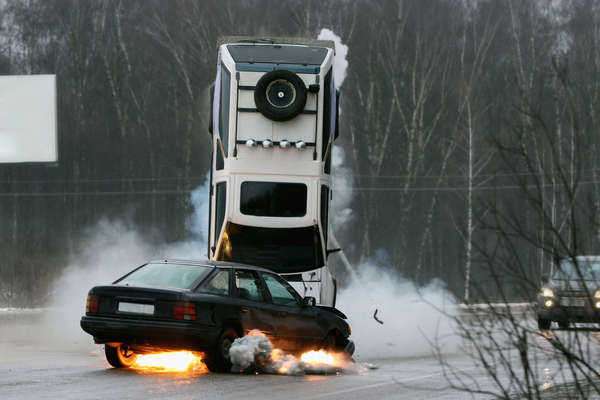
DWI and DUI Vehicle Accident
Driving while intoxicated (DWI) and driving while under the influence (DUI) are amongst the most common causes of vehicular injuries with regard to a Vehicle Accident. When an individual ingests illegal drugs, alcohol, or controlled-substances, their respective ability to safely operate a motor vehicle is impaired. This impairment may can result is slowed reaction time, drowsiness, and lack of alertness – these are amongst the most common contributory factors inherent with in a Vehicle Accident
Although the legal limit permitted to operate a motor vehicle varies from state to state, the most common blood alcohol content (BAC) allowed is .08%; should an individual’s blood alcohol content exceed the legal limit, their intoxicate state can contribute the severity of penalties and fines incorporated with the Vehicle accident
A DUI and DWI Vehicle accident resulting in death can be tried as acts of vehicular manslaughter
A DUI and DWI Vehicle accident resulting in a reckless driving violations can be tried as acts of reckless endangerment
Impaired driving that does not result in a car accident can result in the loss of license, heavy fines, and possible jail time; injuries resulting from the unlawful and impaired operation of a motor vehicle may retain supplemental punitive recourse
DUI and DWI Vehicle accident may result in increased insurance premiums, adjusted insurance surcharges, or the termination of insurance coverage subsequent to a DWI or DUI Vehicle accident
Negligent Collision Vehicle Accident
Impacts that take place between a vehicle and a pedestrian or other vehicle are common amongst Vehicle Accidents; they can result from a multitude of causes, ranging from negligence to aggravated assault:
A Hit-and-Run Vehicle Accident typically involves the fleeing of the responsible party from the scene prior to official investigation and reporting
Distracted driving is the cause of a growing number of traffic accidents, which are primarily caused by cell-phone use while operating a motor vehicle; this not only causes the driver to avert one’s gaze from the road, but also drastically increases the risk of traffic accidents.
Reckless Driving Vehicle Accident
A Vehicle Accident can involve all types of motor vehicles, ranging from small, compact cars to large, commercial trucks.Vehicle Accidents resulting from unsafe or unlawful operation of a motor vehicle – including speeding, careless operation, use of a cell phone, and drowsy driving – are classified as reckless driving offenses. Regardless of the given criminal or harmful intent – or lack thereof – fines, penalties, and claims resulting from reckless driving offenses can vary depending on the severity of the resulting Vehicle Accident.