Fatal Auto Accidents
📅 2026 Update: New Safety Rules and Insurance Changes
Since the original article on fatal auto accidents, several important changes have occurred in U.S. car accident law and safety regulations. These updates aim to improve road safety and adjust insurance requirements for drivers. The earlier article continues further down the page, providing foundational information on what to do after a crash.
🚗 Seat Belt Reminder Rule Finalized
In December 2024, the National Highway Traffic Safety Administration (NHTSA) finalized a rule to enhance seat belt usage. This rule requires warnings for rear-seat passengers and stronger alerts for drivers and front-seat passengers. The goal is to boost seat belt use and lower injury and fatality rates in accidents.
🛡️ Updates to 5-Star Safety Ratings Program
In November 2024, NHTSA updated its 5-Star Safety Ratings program. The new version includes advanced driver assistance technologies and a pedestrian protection program. These updates are designed to enhance safety for both vehicle occupants and pedestrians.
🚨 Automatic Emergency Braking Requirement
A significant safety measure is the new mandate for automatic emergency braking (AEB) systems in all passenger vehicles. This requirement, finalized in April 2024, will be in effect by September 2029. The aim is to reduce accidents, particularly rear-end collisions and pedestrian incidents.
⏳ Postponement of NCAP Program Updates
The implementation of updates to the New Car Assessment Program (NCAP) has been postponed. Initially planned for the 2026 model year, the new start date is now set for 2027. This delay may affect how new vehicles are assessed for safety.
📌 Key Points Summary
- 🚦 Seat belt rule enhances safety warnings.
- ⭐ New 5-Star Safety Ratings include advanced tech.
- 🚙 Automatic emergency braking required by 2029.
- ⏰ NCAP updates delayed until 2027.
- 📉 Changes aim to reduce accident fatalities.
💡 Tips for Handling Auto Accidents
Review the specifics of your situation with your attorney to ensure you understand your rights and responsibilities.
📝 Document the Accident
Always collect detailed information after an accident. This includes photos of the scene, contact details of witnesses, and insurance information from other drivers. Good documentation can help during insurance claims.
📞 Notify Your Insurance Company
Inform your insurance provider about the accident as soon as possible. Provide them with all necessary details, including police reports and medical bills. Timely notification can speed up the claims process.
🔍 Understand Your Coverage
Know what your insurance covers, especially in bodily injury liability claims. In 2024, the average claim for bodily injury liability was $28,278. Understanding your coverage can help you navigate claims more effectively.
📉 Consider Settlement Ranges
Settlements can vary widely based on the accident's specifics. Minor injuries may settle for $5,000 to $25,000, while severe injuries could range from $100,000 to $500,000. Be aware of these ranges when discussing settlement offers.
📈 Stay Updated on Laws
Keep informed about changes in auto laws, such as Florida's shift from no-fault insurance to bodily injury liability coverage starting July 1, 2026. Such changes can affect your coverage and rights after an accident.
❓ Frequently Asked Questions
🚗 What should I do immediately after an accident?
Check for injuries first. Then, move to a safe location and call the police to report the accident. Gather information and document the scene.
📑 How long do I have to file an insurance claim?
Generally, you should file as soon as possible. Insurance companies often have deadlines, and delays can affect your claim.
🏥 What if the other driver is uninsured?
If the other driver lacks insurance, you may need to rely on your own uninsured motorist coverage. This coverage can help cover your expenses.
🚦 How are fault and liability determined in accidents?
Fault is typically determined based on evidence such as police reports, witness statements, and insurance investigations. Each state has different laws regarding liability.
💰 How much can I expect from a settlement?
Settlements vary widely based on injury severity and fault. Minor injuries may result in $5,000 to $25,000, while severe injuries can lead to higher amounts.
🏛️ What changes are coming in Florida's insurance laws?
Effective July 1, 2026, Florida will transition from a no-fault insurance system to a bodily injury liability system. This change will impact coverage requirements and the right to sue.
⚖️ Recent Court Cases Related to Auto Accidents
Several recent court rulings have impacted car accident law, particularly regarding liability and insurance claims. These cases highlight the evolving landscape of auto accident litigation and the importance of understanding your rights.
- Court rules in favor of driver in Access-A-Ride accident caseAppellate Division of the Supreme Court of the State of New York · May 6, 2026
- Court rules in favor of plaintiff in rear-end collision caseAppellate Division of the Supreme Court of the State of New York · April 29, 2026
- Court rules on personal injury case from motor vehicle accidentAppellate Division of the Supreme Court of the State of New York · April 29, 2026
- Court rules in favor of plaintiff in car accident caseAppellate Division of the Supreme Court of the State of New York · June 2, 2026
For more recent rulings, browse more rulings on the news page.
End of October 2026 Update
What are Fatal Auto Accidents?
Fatal auto accidents are the most severe and unfortunate types of driving wrecks. As the name suggests, a fatal auto accident occurs when one or more people involved in an accident dies. The death, whether instantaneous or not, is the result of sustaining devastating bodily injuries.
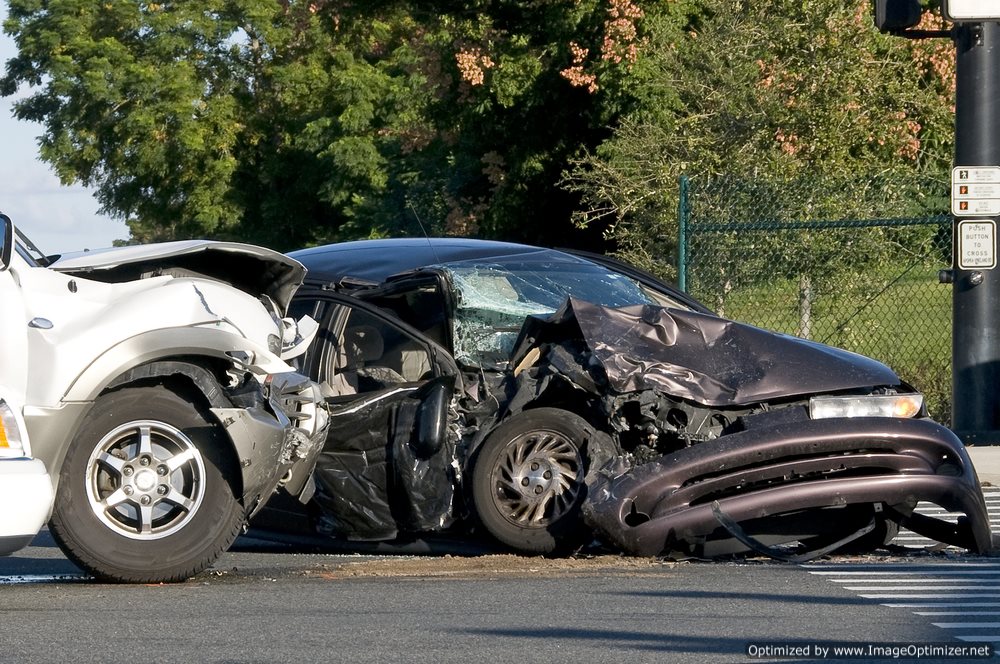
Fatal auto accidents, although distinct based on a case by case circumstance, are typically precipitated by a few negligent or reckless maneuvers. A responsible driver is typically present in most fatal auto accident cases. These motorists augment the probability of death by speeding, not paying attention to the road, driving while under the influence or breaking traffic laws. If a death is caused by any of these negligent actions, the party responsible for the death will likely face criminal charges.
Due to the seriousness associated with fatal auto accidents, litigation and the legal process surrounding the accident is complex and specific. Fatal auto accidents, if precipitated by a reckless or negligent action, may yield one of the following criminal charges: vehicular manslaughter, involuntary manslaughter, or murder. The delineation of these charges is rooted in the responsible driver's use of the vehicle. In addition to driver fault, fatal auto accidents may result from manufacturing negligence. In instances where a vehicle malfunctions and kills a driver or pedestrian, the manufacturer and dealer of the automobile is held liable.
Types of Fatal Auto Accidents:
There are two types of fatal auto accidents; both types describe the time of death and the way in which the victim dies. A sudden death auto accident occurs when the individual dies on impact. The crash is so severe that the individual immediately dies. These accidents, due to their severity and power, typically involve large trucks, explosions, multiple cars and obscene driving habits. The second type of fatal auto accident is an eventual death auto accident. These fatal auto accidents involve a slower death; the injuries sustained do not immediately kill the individual. Common accident-related injuries that would kill an individual over time include: broken neck, fractured skull, ruptured organ, internal bleeding, multiple lacerations/loss of blood, multiple broken bones or heart failure.