What to do in an Auto Accident?
📅 2026 Update: Key Changes in Auto Accident Protocols
Since the original article was published, several important changes have occurred in auto accident laws and protocols. These updates affect what drivers should know and do after an accident. The earlier article continues further down the page.
🚑 Hit-and-Run Incidents
Hit-and-run fatalities reached a staggering 2,972 in 2022. In 2023 alone, over 200,000 vehicle occupants were injured in hit-and-run crashes. This highlights the growing issue of accountability on the roads.
Understanding the implications of hit-and-run incidents is crucial for anyone involved in an auto accident.
📄 Insurance Notification Deadlines
Most insurers require that you notify them of an accident within 30 days. Some policies may provide longer periods, so it's important to review your specific insurance policy. Timely notification can affect your ability to file a claim successfully.
🕰️ Personal Injury Claim Deadlines
Personal injury claims generally have a filing deadline of two to three years, depending on the state. This clock starts ticking immediately after the accident occurs. Knowing these deadlines is vital for anyone considering a claim for damages.
🛡️ Accident Report Forms
Many states now offer downloadable accident report forms on their official DMV websites. Keeping a printed form in your vehicle can help you gather necessary information after an accident. Proper documentation is essential for insurance and legal purposes.
📌 Key Takeaways
- 🚗 Hit-and-run fatalities hit 2,972 in 2022.
- ⏰ Most insurers require accident notification within 30 days.
- 📅 Personal injury claims generally have two to three years to file.
- 📄 Downloadable accident report forms are available on DMV websites.
- 🔑 Timely reporting and documentation are crucial for claims.
💡 Practical Tips for Handling Auto Accidents
Review the details of your specific situation with your attorney.
📞 Contact Emergency Services
Always call emergency services if there are injuries or significant damage. They can help document the scene and ensure that medical assistance is on the way. This step is essential for both safety and legal reasons.
📝 Gather Important Information
Exchange information with the other driver, including names, contact details, and insurance information. Also, collect details from any witnesses. This information will be vital for claims and any potential legal actions.
📸 Document the Scene
Take photos of the accident scene, vehicle damages, and any relevant road conditions. Visual evidence can support your claim and help clarify the circumstances of the accident later.
🚧 Ensure Scene Safety
If possible, move vehicles to a safe location to avoid further accidents. If you cannot move the vehicles, stay in a safe area and wait for help. Prioritizing safety is crucial after an accident.
🏥 Seek Medical Attention
Even if you feel fine, get checked by a medical professional. Some injuries may not be immediately apparent. Documenting any medical treatment can also support a personal injury claim.
📅 Know Your Rights
Understanding your rights can help you navigate claims and legal actions efficiently. Familiarize yourself with local laws and the insurance claims process to be better prepared.
❓ Frequently Asked Questions
🚗 What should I do immediately after an accident?
Stay calm, check for injuries, and call emergency services if needed. Collect information from the other driver and any witnesses, and document the scene.
📅 How long do I have to file a personal injury claim?
Most personal injury claims must be filed within two to three years of the accident, depending on your state. Act promptly to ensure your claim is valid.
🏥 What if I feel fine after the accident?
It's important to see a medical professional even if you feel okay. Some injuries may not be immediately obvious, and documentation is crucial for claims.
📝 Can I still make a claim if the police didn't issue a ticket?
Yes, you can still pursue a personal injury claim regardless of whether a ticket was issued. Your claim is separate from any criminal case against the other driver.
🔍 How should I document the accident scene?
Take photos of all vehicles involved, road conditions, and any visible damages. Gather contact information from witnesses to support your claim later.
⚖️ What is the role of insurance in accident claims?
Insurance companies help cover damages and medical expenses after an accident. It's essential to notify your insurer promptly to ensure coverage.
⚖️ Recent Court Cases Related to Auto Accidents
Recent court rulings have shaped how auto accident claims and negligence cases are handled. These rulings can impact your rights and procedures after an accident.
- Court affirms ruling in trucking accident case Burkich v. 3 BrosDistrict Court of Appeal of Florida · July 1, 2020
- Court upholds seizure of car in drug case against AcevedoCourt of Appeals for the Second Circuit · October 2, 2026
- Court clarifies vehicle use rules in insurance case rulingMichigan Court of Appeals · October 2, 2026
- Court Rules on Insurance Claims Following Virginia AccidentDistrict Court, District of Columbia · October 2, 2026
For more insights and updates, browse recent rulings on the news page.
End of October 2026 Update
Car accidents, because of numerous distractions and the sheer volume of automobiles on the road, have unfortunately become commonplace. The circumstances and injuries that surround an auto accident will vary based on circumstance; however, understanding what to do in an auto accident will universally expedite the filing of a an insurance claim and organize your ability to seek compensation and closure.
Understanding what to do in an auto accident is crucial for not only expediting the claim, but also for easing your emotions. Being conscious of the process (the insurance claim, the police report etc) will help harness adrenaline and other emotions that are typically realized after you have been involved in an accident.
Before filing a claim or worrying about liability issues, the first thing you must do after an auto accident is get your car, if possible, to the side of the road. Once you are in a safe location (for example on the side of the road) you must begin dialogue with the other party involved in the accident.
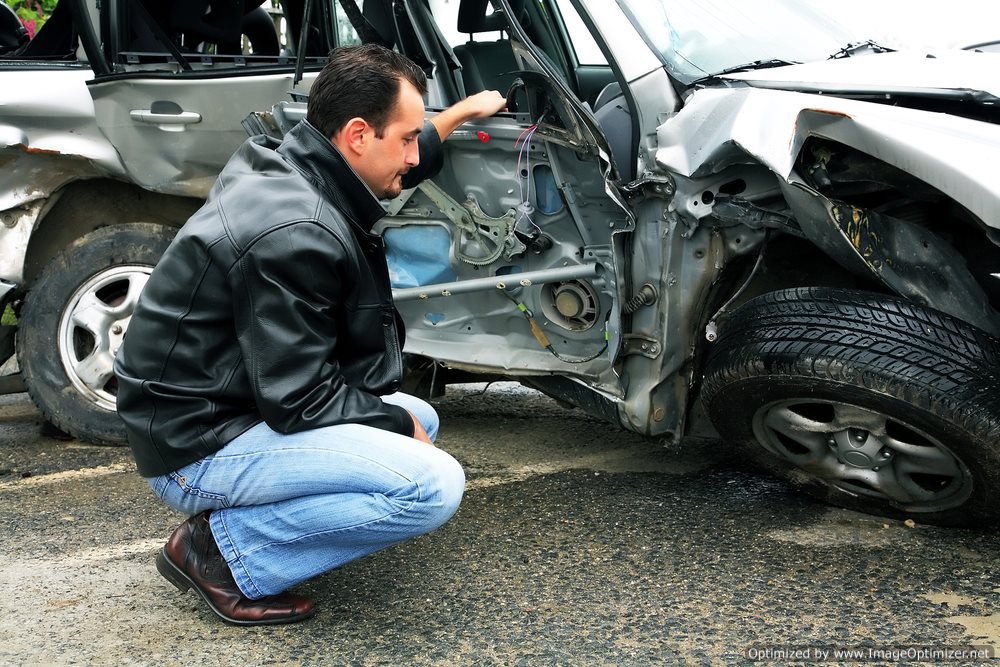
The Exchange of Information:
before you can exchange information with the other party (if applicable), you must ensure that the driver is conscious and not in need of immediate medical attention. Once contact has been made, you can begin the exchange of information--assuming both parties are able to do so. The exchange of information can take place directly at the scene or afterwards, if the parties involved require immediate medical attention. Regardless of the scenario; however, the information exchanged must: the individual’s address, name, contact information, insurance information, driver’s license number and license plate number.
Insurance information is exchanged so the parties can be in communication with the providers--such efforts are only necessary if the accident requires the inclusion of insurance companies. If the accident requires a criminal investigation, due to negligent or violent actions, law enforcement officers will conduct a thorough investigation, which is to be reviewed by the party's respective lawyers. The exchange of information, is necessary for the insurance companies and the police to conduct their reports--these reports are ultimately used to determined liability.
The Exchange of information is the key step following an auto accident; this communication enables a formal investigation to be conducted by law enforcement agents and the underlying insurance companies. The most important thing an individual can do following an auto accident is to be under control and think in a lucid manner. Remember, your insurance provider and the police will take care of the hard work--your responsibility is to comply with regulation and coordinate the exchange of information.